Light Fundamentals
How light became a performance variable — and how to think about it.
Light is not one thing. It is a dose, a wavelength and a time of day, and each of those levers pulls on a different part of your physiology — your body clock, your alertness, your skin, your recovery. Start here to understand the mechanism before you touch a single product.
Start here.
Does Erling Haaland wear blue light glasses?
Erling Haaland wears blue-blocking glasses every night and calls sleep the most important thing in the world. Here is what he actually does — and whether the glasses deserve any of the credit.
What Is Minimal Erythema Dose (MED)? The Science Behind Sunburn and UV Exposure
Minimal Erythema Dose (MED) is your personal sunburn threshold — the lowest UV dose that produces visible skin redness. Here's how it's measured, why it differs between people, and why it is not the same as getting "enough" sun.
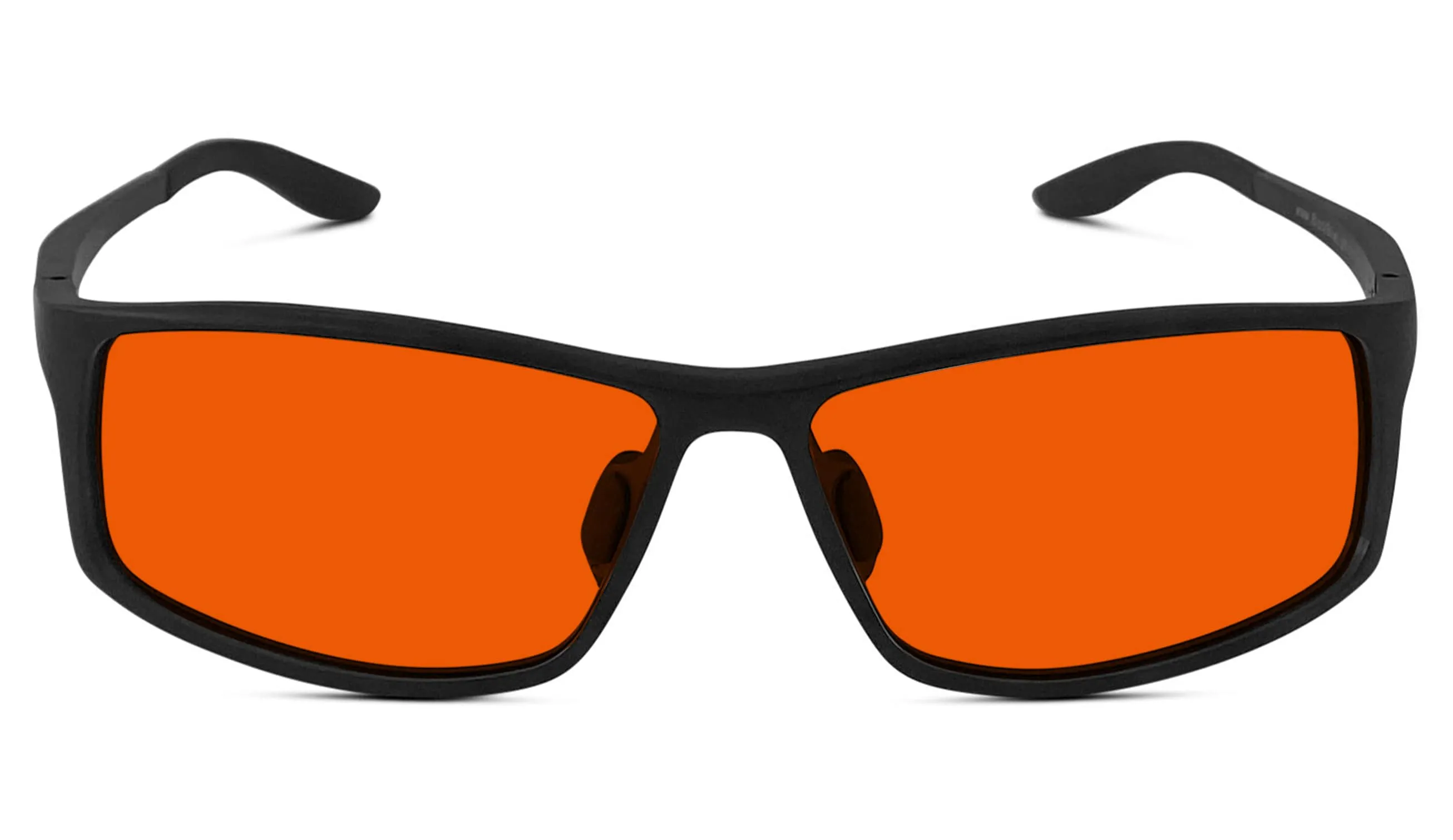
Do blue light glasses actually work?
A closely-read verdict on blue light glasses — what the best evidence says about eye strain, sleep and athletic performance, and where the hype falls apart.
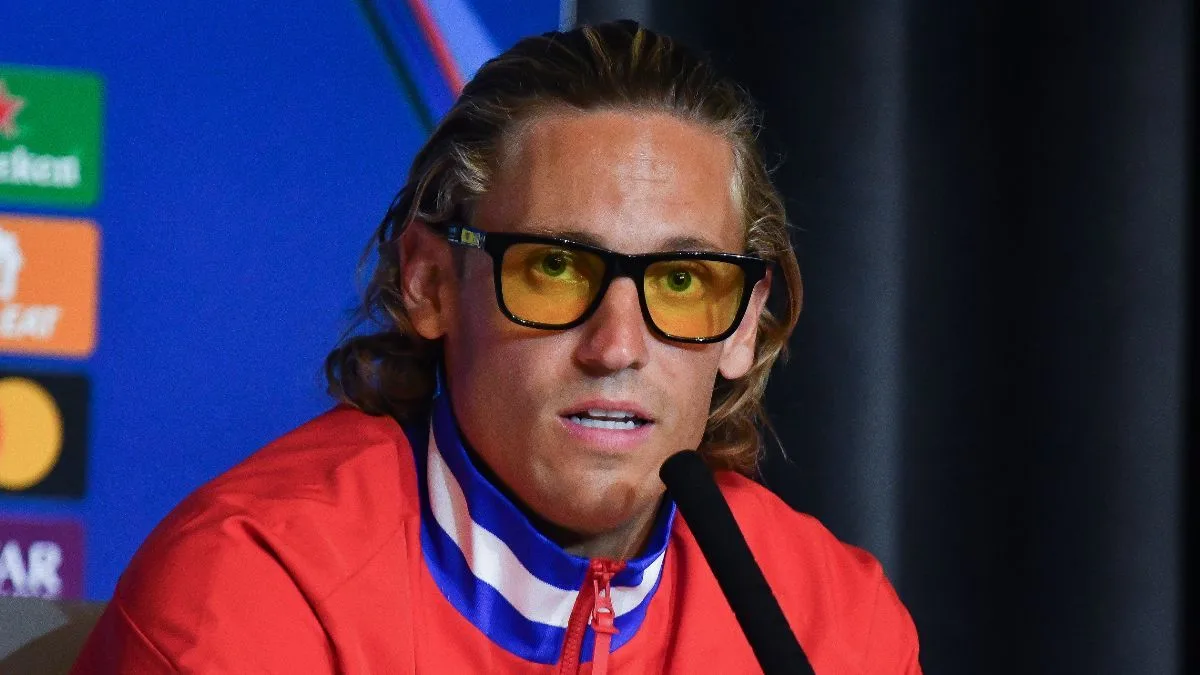
Why do footballers wear blue light blocking glasses
Marcos Llorente played 26 straight matches in tinted glasses, and Erling Haaland publicly backed him. The story sits in a more interesting place than either the hype or the backlash admits — here is what the evidence actually shows.
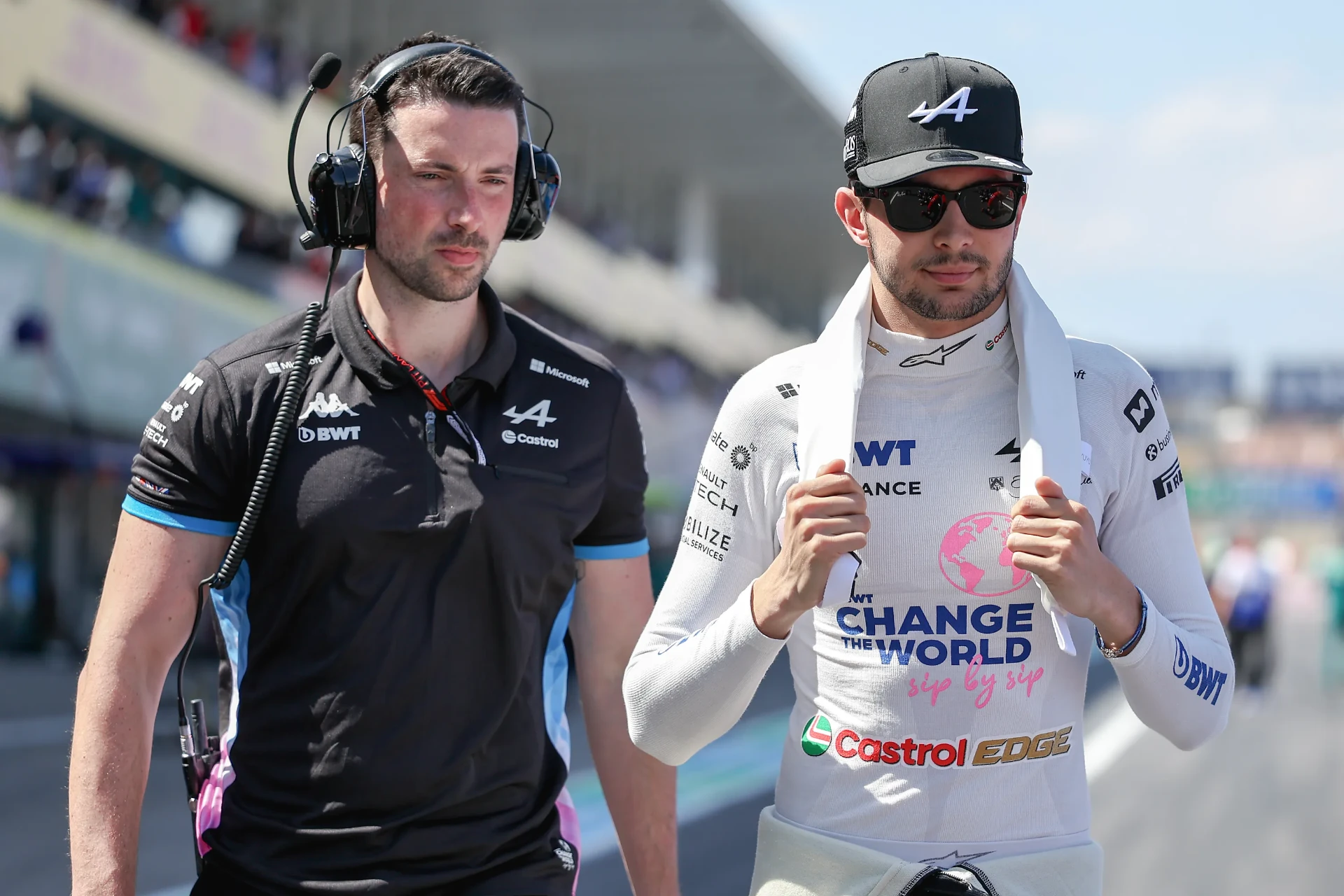
Why Esteban Ocon's Sunglasses Matter — and How Tom Clark Turned That Insight Into Phaze
Esteban Ocon's paddock sunglasses look like style, but they're the visible tip of a circadian performance system built around controlling light exposure — the same science coach Tom Clark has now productized into Phaze.

Does UVA light improve cycling performance? A closely-read verdict
A controlled trial in trained cyclists is often cited as evidence that sunlight boosts performance. Read carefully, it shows something more interesting — and more honest.