//The Science· 29 Jun 2026
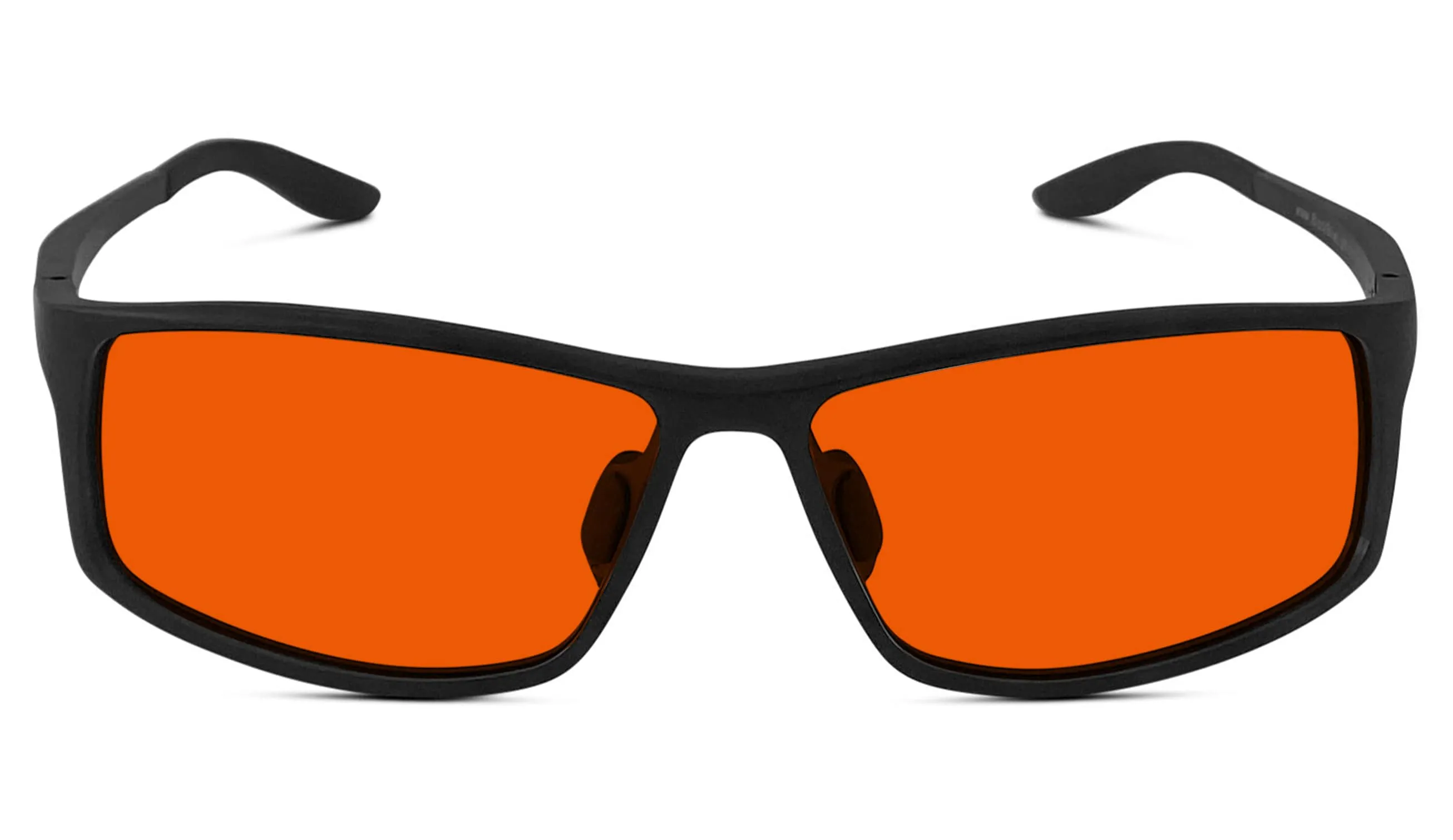
Do blue light glasses actually work?
A closely-read verdict on eye strain, sleep and athletic performance — and exactly where the hype falls apart.
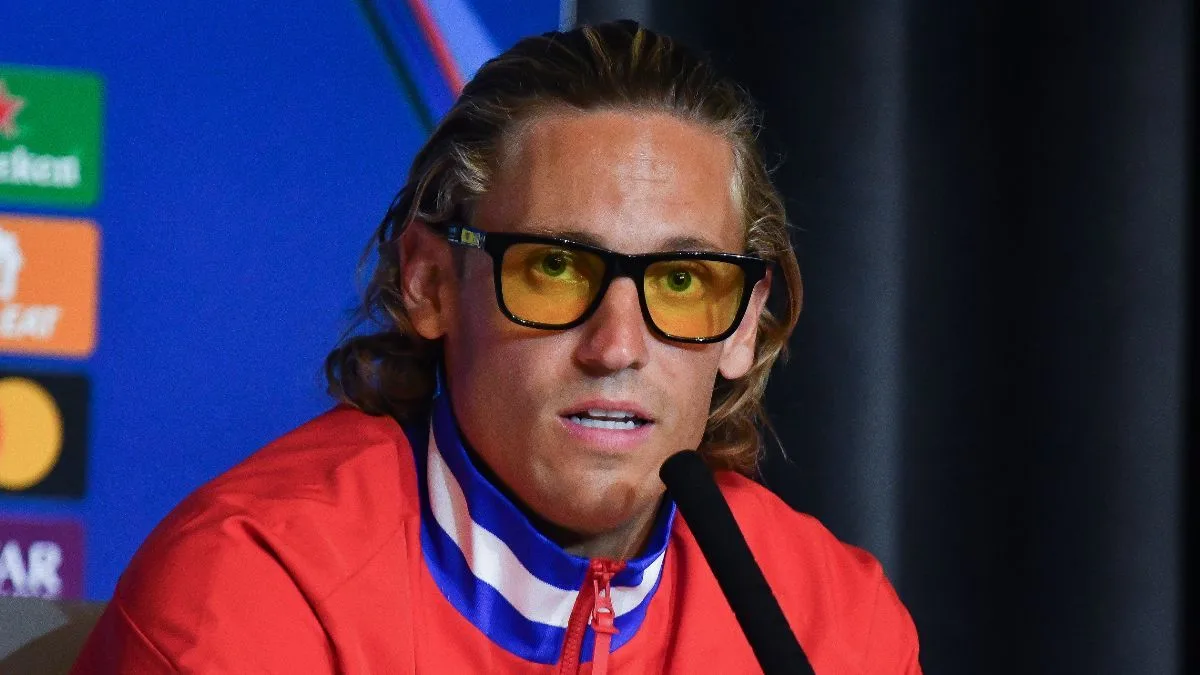
Marcos Llorente played 26 straight matches in tinted lenses and Haaland backed him. The truth sits somewhere more interesting than the hype or the backlash.
A closely-read verdict on eye strain, sleep and athletic performance — and exactly where the hype falls apart.

The paddock shades look like style. They're the visible tip of a circadian performance system built for a 24-race season.

A controlled trial everyone cites as proof that sunlight boosts performance. Read carefully, it shows something more honest.
Every verdict is written by performance scientist Dr Alfie Gordon and read against the primary research — independently, with no paid placements and no sponsored verdicts.

The panel we'd buy for clinic-grade red and near-infrared at home. 660nm + 850nm, FDA 510(k)-cleared, modular so you can scale coverage, with session tracking in the app. Overkill for travel — ideal as a permanent recovery fixture.

The most established light-therapy glasses, and the easiest way to get a timed dose of bright, blue-enriched light without standing in front of a lamp. Three intensities, IEC62471-certified and fully hands-free. Our default pick for jet lag, dark mornings and shift patterns.

Where the panels flood a room, the MOVE+ Pro wraps a knee, quad or joint in combined laser and LED. Battery-powered and genuinely portable — the one to travel with when a specific joint, not your whole body, is the problem.
Every device, filter and formula we've reviewed — 15 products across sunglasses, red light, circadian and heat load, filterable and independently rated.
Occasional, evidence-first notes on light and endurance performance. No spam, no affiliate blasts — just the reading worth your time.